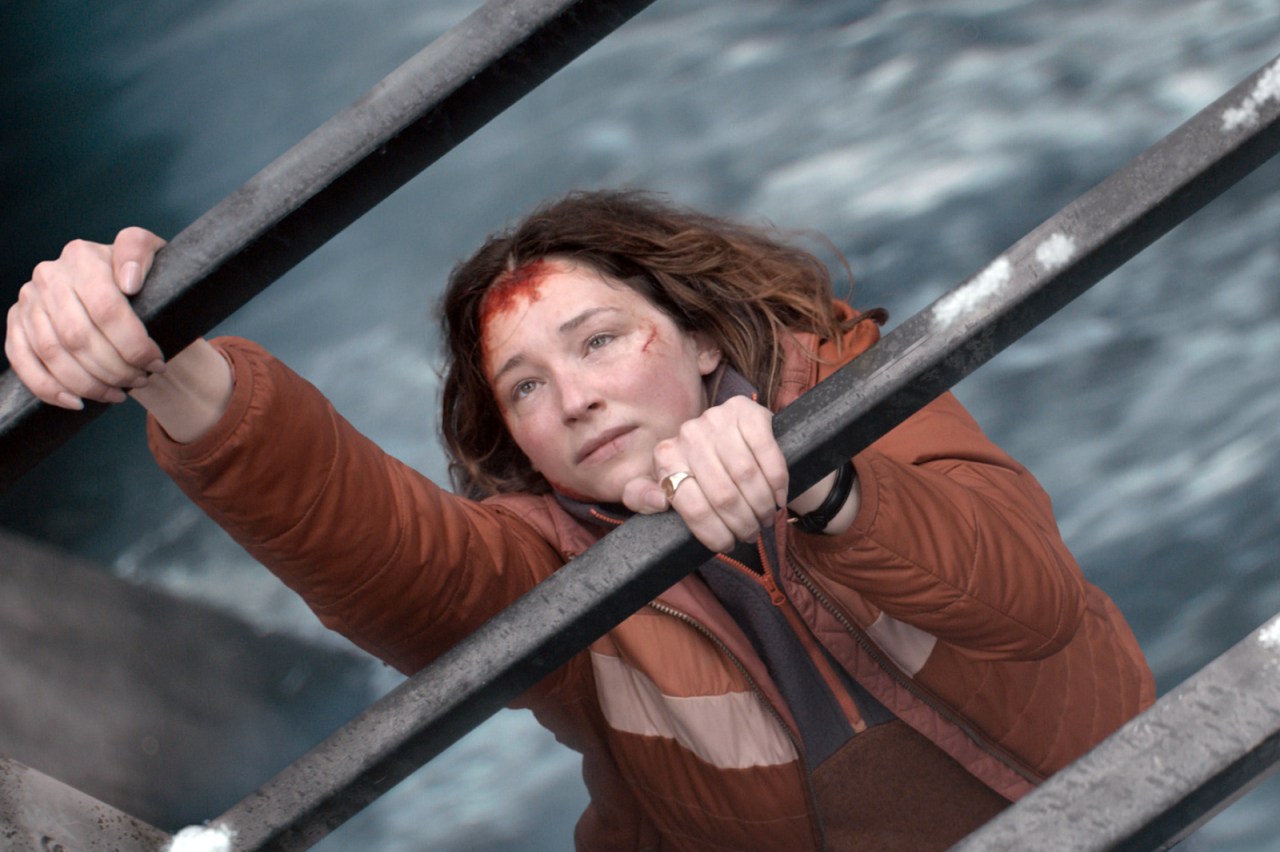
We Talked To ‘The Last Frontier’ Co-Creator Richard D’Ovidio To Unpack The Series’ Jaw-Dropping Finale

Richard D’Ovidio is the co-creator of Apple TV’s latest action drama, The Last Frontier, along with creative partner Jon Bokenkamp, who he previously worked with on The Blacklist. He’s also written several horror films including Thir13en Ghosts.
The following interview was lightly edited for readability, and contains spoilers about the events of the series finale.
Table of Contents
Richard’s Background And Creating The Last Frontier
TC:
I wanted to ask you, I come from an Italian American family. Your last name literally translates to “of” or “from Ovid”. That’s quite a legacy for a writer and a creative. Are there a lot of writers in your family? Do you have a direct connection, and did you read his work growing up?
Richard D’Ovidio:
No. I, you know, I don’t have any connections to writers. I grew up in Boston. I went to school for accounting, basically. I came out here and started working in a literary agency and so I could read all the contracts and read all the scripts and kinda be inside the machine. But, no, I don’t. I mean, I love Italy, and my mother’s from Sicily, and my dad is Bruzzese. So, you know, I come from a very grounded Italian working class family back in Boston too. So, yeah. No writers.
TC:
I also wanted to ask about your background in horror films. Thought Catalog has a sister website called Creepy Catalog that focuses exclusively on the horror genre. And I was just curious, what aspects of that part of your writing style and experience had the most impact on writing The Last Frontier? Did you lean into shaping the darker sides of the fugitive characters and the villains? Or where did that kind of poke its head in the most?
Richard D’Ovidio:
You know, [series co-creator] Jon [Bokenkamp] and I have the same sensibilities, and I think, you know, the suspense side of it. Keeping up the momentum, the pacing, the kids, you know, when they’re nursing the monster back to life. You know, I love horror. I love action. I love thrillers and suspense, and those aspects of the story, that’s the side that comes through on my end. You know? And Jon, you know, he loves the same things I do. And, you know, we just click when we start talking about different twists and different movies.
And when we go back and start poking our heads into our pasts and how we grew up, that’s always a lot of fun.
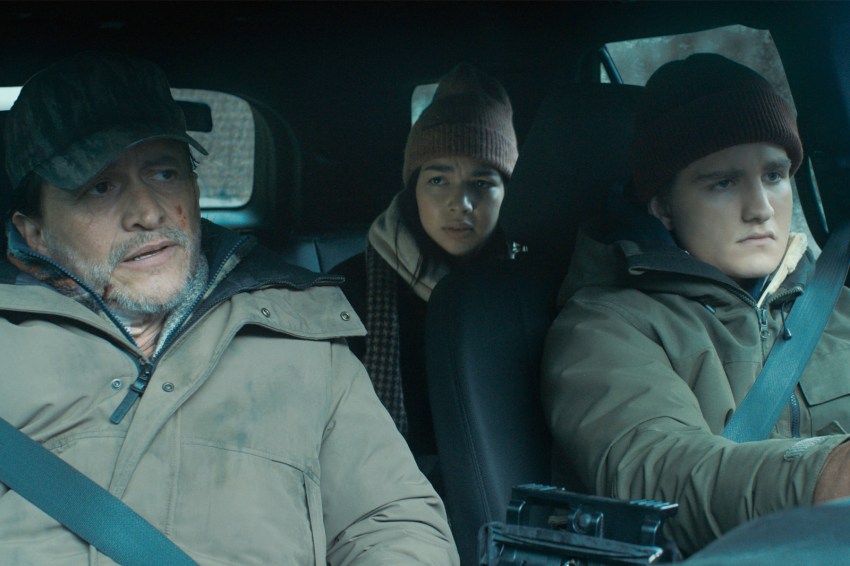
The Impact Of Location In The Last Frontier
TC:
There really were just so many diverse influences and genres that came into play here. This series felt like a literal kitchen sink. You had all of these incredibly strong concepts that really could have stood on their own as as a standalone series. You had the prisoners, the CIA conspiracies. Frank to me felt like an Alaskan version of Walt Longmire. Were there any big ideas that didn’t make the cut when you were finally pitching the series?
Richard D’Ovidio:
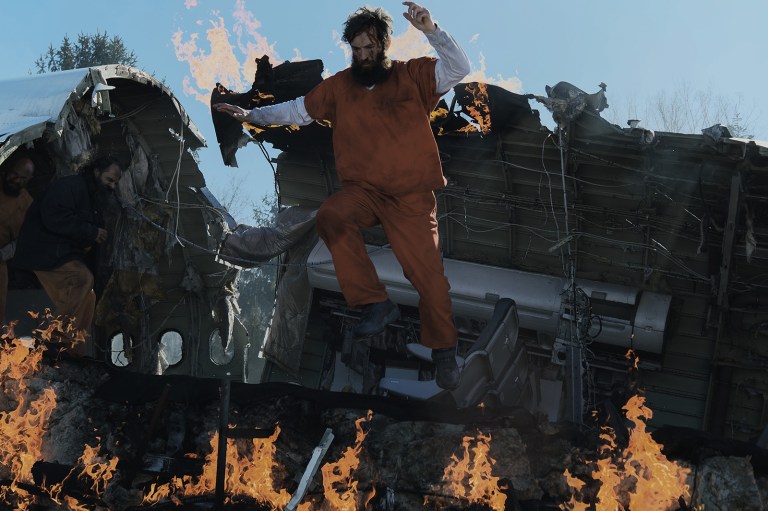
Well, when we first started with the show years ago, we had come up with, the idea of a prison transport plane crashing in the Hudson and all the criminals escaping onto the Island Of Manhattan. But we didn’t feel like when the law enforcement flew in from the CIA, you know, and they mixed with the law enforcement in New York, it it there was no difference.
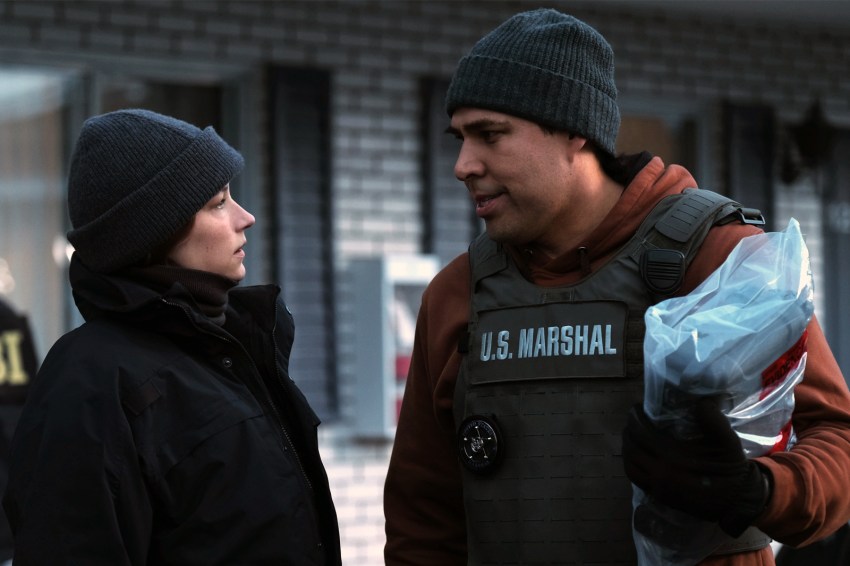
And so when we took it out of there and put it into Alaska, which was so vast, and you have this lone marshal, and he’s from a totally different world and a different community and a different family. And then these these bureaucrats or these, you know, CIA suits come in, there’s a complete difference in their their demeanor and their style and everything else. And I think that’s what made it click for us.
TC:
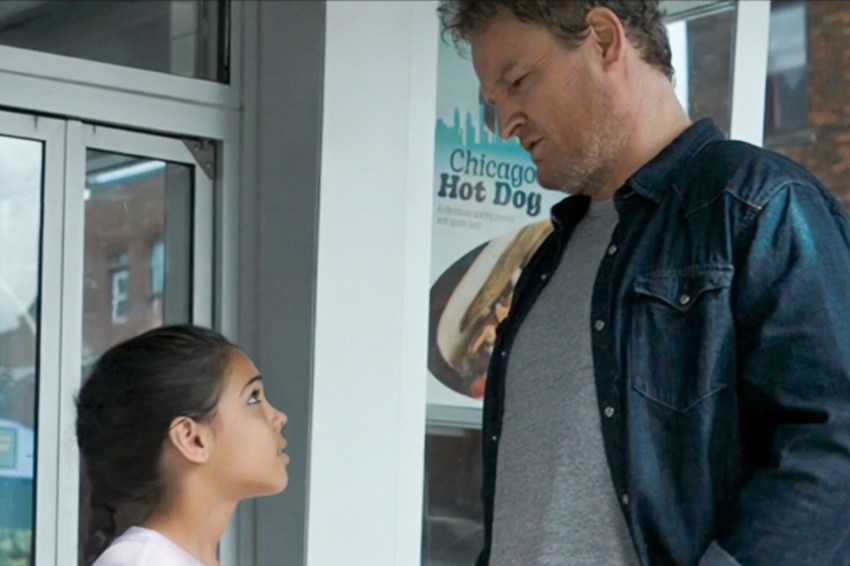
I was going to ask about New York specifically because when I read that, I was shocked. Speaking of location, I also selfishly have to ask about Chicago. I lived there for thirty three years before moving to California. You guys nailed that episode. It really made me feel as homesick as watching The Bear does.
And it was such a crucial part of understanding Frank and his history and his psyche. Beyond the obvious gut punch in that episode, what do you think that time in Chicago symbolizes for Frank and his family? What what was he looking for out there? And is that something you would explore further in a Season Two?
Selfishly, I just want to see all of the winter snow comparisons between Alaska and Chicago and watching Chicagoans save a street parking spot with, like, a plastic chair and all of the other crazy winter rituals that we have that probably don’t happen in in Fairbanks.
Richard D’Ovidio:
No. No. And probably happened in Boston too. When you shovel out a parking spot, you put your chair down. Yeah.
Hopefully, yes. We are definitely, hopefully, we’ll be going back to Chicago. So in the future. But that, you know, that was a break for Frank. I think he was trying to find himself and maybe try and leave his past, which, you know, he realizes that’s who he is when he goes back to Alaska. You know? And he takes this job in Chicago to kind of give him and his wife, who grew up together and are high school sweethearts, another look at the world. You know?
And so when they were there, I don’t wanna give anything away, but his past catches up to him, and then, you know, he goes back to Alaska. And then we’ll see, you know, what happened there, and we’ll hopefully expand on that and why it shaped him. You know? And that’s why he’s such a boy scout in the beginning of the show.
Community, Morality, The Big Finale, And Ends That Don’t Justify The Means
TC:
I really love that aspect of his character because he is so grounded and rooted in his community, but he also has seen more of the world and and has a little bit more of a broader perspective.
With that that grounding in Fairbanks, it felt like a utopia built out of necessity. Right? You have these neighbors who know and respect each other in this very diverse community, and you really illustrated that they had to share resources in order to survive.
How much of that community was written from experience versus something that’s aspirational or a fictional ideal? Had you ever lived in a community like Fairbanks? And if so, where was it?
Richard D’Ovidio:
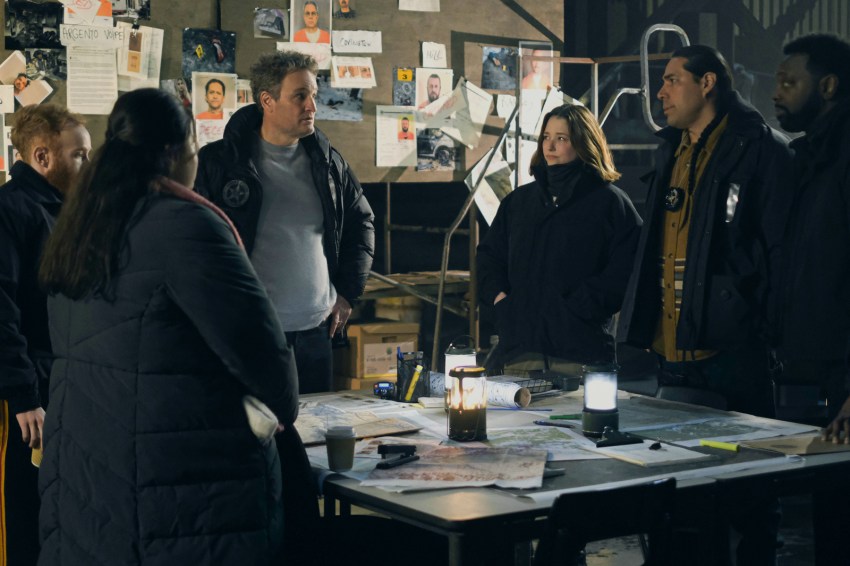
You know, a lot of it is Jon is from Nebraska. So that aspect, he, you know, he brought to it. And what was really interesting, like, when they set up the mobile command, usually in TV shows, you just see it materialize.
So what we discussed was how do we bring in running water? How do we feed these people? How do we bring in porta-potties? So that aspect of it was relying on the community. We wanted to see everybody come together. And you know, I see a little of that in Boston where we know everybody in our neighborhood, and everybody comes together and helps out whenever there’s a crisis. But Jon is from that small town, and he brings that sensibility to it, which I really loved and and just was supportive of whatever he, you know, whatever he felt like he could connect with.
TC:
Well, you guys did an incredible job of bringing that to life on screen. Jon also described the series as “escapist entertainment”. And it surprised me because I had the opposite impression while I was watching this series, and I mean that as a a huge compliment.
It felt really, really timely and introspective. I thought it confronted the zeitgeist of America’s biggest questions and fears right now instead of running away from them, and, you know, you did it in a really thrilling and thoughtful way.
There’s a lot of distrust of government in general right now, and you really dissect every single layer of the social contract from what two strangers who are both human beings owe to each other to exploring the family unit, local, national, and international government.
My takeaway from the ending was that no matter how low macro level you went, all of these systems are made up of individuals. Every individual is imperfect and makes mistakes, but they can also aspire to be their best, most honorable self. Was I reading that right? What was the overarching point you wanted to make with with that series ending?
Richard D’Ovidio:
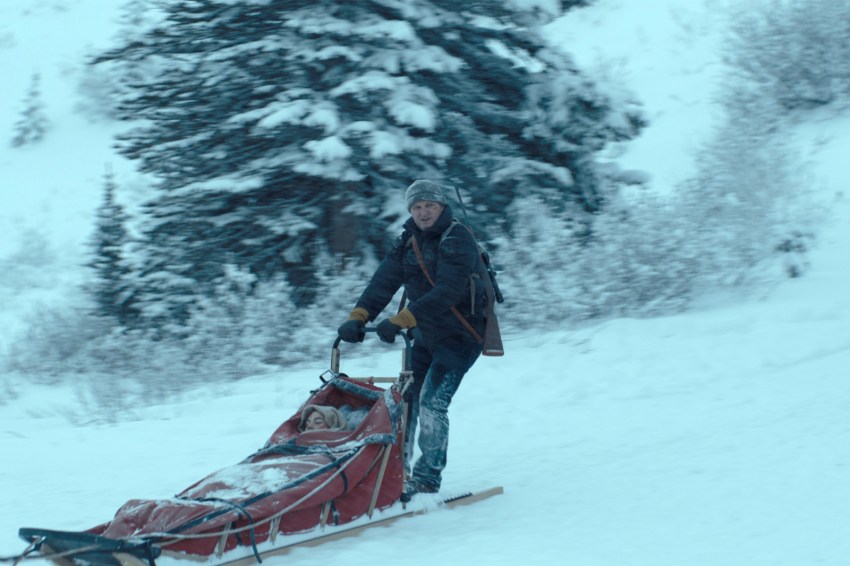
Well, everybody thinks what they’re doing is right until they realize, you know, the way they went about it was wrong. I mean, especially with the government [in the series]. You know? They wanted to protect the protect The United States, but the way they executed it was just, you know, illegal and and incorrect.
You know? And so the same thing goes with Frank and what he decided to do, in Chicago and hiding certain information. The same thing. It was justified in his mind, but the way he got there was, you know, it was just cutting corners, and it wasn’t legal.
And I think that’s what happens in the world right now. Everyone’s trying to justify what they’re doing, and they’re not really taking the honorable route, I guess.
Yeah. I mean, that’s a really good breakdown of what we were trying to do. I mean, it’s much more articulate than I can break it down right now.
TC:
I’m curious. You know, as you’re creating this world, what kind of conversations were you having in the writer’s room about the moral structure of the world and what accountability means for those characters?
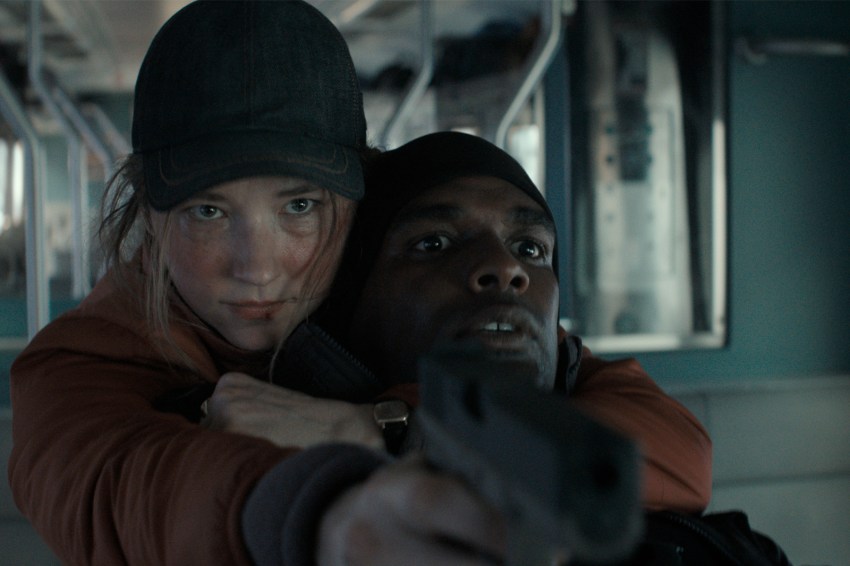
We had some accidental and vigilante justice with Bradford’s death. If we trust Frank and Hutch, we do believe the truth will come to light when the archive is in government hands.
But you have the foil of this unchecked, imperfect government and law enforcement against a backdrop of indigenous communities who have been historically negatively impacted by that very same kind of injustice. That whole juxtaposition really had me wanting to see someone held accountable in an official, public, or legal way, even if it was Frank being self sacrificing, you know, in a noble or righteous way.
Was that intentional to kind of leave that out, and how did you decide where you were going to land this series in this really incredible moral gray zone that you had constructed?
Richard D’Ovidio:
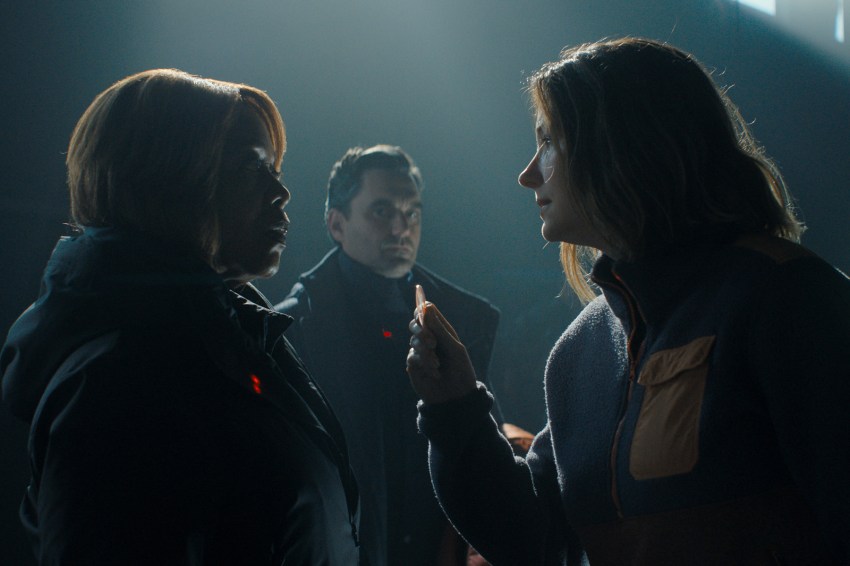
Well, you know, in real life, nobody nobody gets brought up? We knew that it would be buried. You know? We wanted an ending like, in Raiders of the Lost Ark where they buried the boxes. It never comes to light, and we wanted that to, you know, to play out. The archive will be handed into responsible hands, but we know that nobody’s gonna be sitting on trial.
Nobody’s going to face, accountability. Because if that comes out, everything’s going to come out. So nobody actually gets put on trial. Once it gets to that place where actually the, you know, skeletons start falling out of the closet, they don’t go to trial. So we didn’t want to end the show on that. We wanted to keep it still kind of buried.
TC:
The visual you brought to mind with Indiana Jones also makes me think of The X Files, you know, all of the the rows and rows of evidence that just kind of sit there untouched.
Richard D’Ovidio:
You know? Yeah. We’re fans of seventies movies like The Parallax View, and we kept going back to those, and the paranoid thrillers of the seventies, and that kind of really is what we wanted to highlight.
Hopes For Season 2
TC:
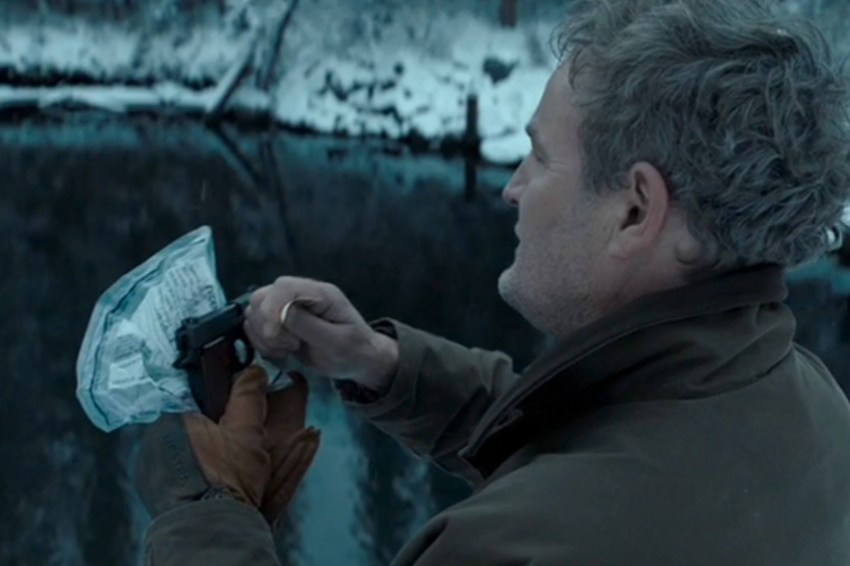
It feels like Season Two is very much a possibility. Is anything you can tell me about the decision to have Frank throw that gun into a river. It’s setting up so much, especially now that his family is implicated in the decision, and that was the closest I came to screaming at the TV just because that visualization of the metaphoric “water under the bridge” was so strong. It it hit me like a freight train in the best way, and I just I loved that moment.
Richard D’Ovidio:
Well, what we really wanted was Sarah to be strong enough to say,
“We can’t lose our family here”. You know? That was the most important thing. The community, the family, all the units had to circle the wagons.
And we love that about her character in that she’s so strong that she can put something behind them. But there’s a lot to unpack in Season Two, and we have everything coming back. But we also have a lot of new stuff that we’re very excited about.
And, hopefully, there is a season two, and I can tell you that it’s, it’s gonna be surprising, and it’s gonna be different. It’s gonna be shocking.
TC:
I really, really hope I get to see it. I would love to see the story continue and watch these characters develop.
Richard D’Ovidio:
Thank you. Thank you so much. Yeah. We’re we’re, we’re excited too. We just love writing, interesting things. I mean, if it makes us smile and it’s something that’s exciting to us, then then we we we hope that everybody else will fall in line.